Garage Door Repairs in New Jersey for Homes With Heavy Daily Use

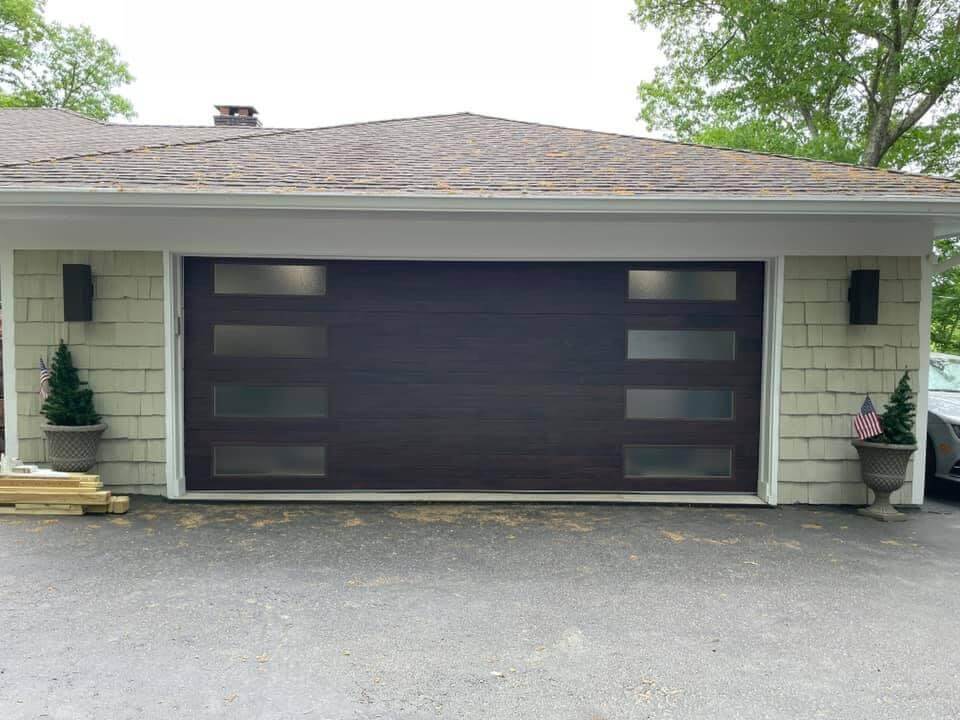
A garage door that opens and closes a few times a day can often coast along for years with only basic maintenance. A garage door that cycles constantly is a different machine altogether. In many New Jersey homes, the garage is not just a place to park. It is the main family entrance, the storage hub, the shortcut to the mudroom, and in some cases the only practical way to move kids, groceries, sports gear, and work tools in and out without fighting the weather. That kind of daily traffic changes the repair conversation.
When a door sees heavy use, small problems develop faster and consequences show up sooner. A slightly tired spring turns into a door that strains halfway up. Worn rollers that might go unnoticed on a lightly used system start rattling through the tracks every morning at 6:30. A misaligned safety sensor that only fails once in a while becomes a recurring headache when the door is called on ten or twelve times a day. For homeowners seeking Garage Door Repairs in New Jersey, usage matters as much as age.
The most reliable repair approach is not simply replacing whatever has broken. It is diagnosing wear patterns, understanding how climate affects the system, and deciding whether a targeted repair will genuinely restore reliability or just postpone the next failure for a few weeks.
Heavy use changes everything
People often ask why one garage door lasts fifteen years with hardly an issue while another seems to need service every season. The answer usually comes down to cycle count. Garage door parts are not judged only by years in service. They wear out by repetitions.
A torsion spring rated for a standard number of cycles may perform acceptably in a home where the door opens four times a day. That same spring can burn through its useful life much faster in a household where two drivers leave at different hours, older children come and go, deliveries arrive at the side entry, and the garage door doubles as the everyday front door. In practical terms, some suburban New Jersey homes can put a week’s worth of average use on a door in two days.
That difference affects springs first, but not only springs. Rollers flatten or crack. Hinges loosen. Cables fray sooner. Openers run hotter and work harder, especially if the door has grown heavier from moisture absorption, panel warping, or poor balancing. The result is a chain reaction. One worn component makes the next component work harder. Once that pattern starts, repair calls become more frequent.
What heavy daily use looks like in real homes
In theory, every garage door is designed to open and close. In real life, some systems take a beating. Think about the classic New Jersey routine. One person leaves early for the train. Another takes a child to school an hour later. A contractor van goes out and comes back at lunch. Grocery runs happen in the evening. On weekends, the door may be used for yard work, bikes, sports bags, or access to a second refrigerator.
I have seen homes where the front door stays locked for days because everyone uses the garage. In those houses, the garage door is less like an occasional convenience and more like a commercial entrance disguised as a residential system. That distinction matters because the repair standards should be higher. A homeowner who depends on the garage for every daily transition usually needs dependable operation, quieter performance, and less tolerance for recurring glitches.
The repair strategy in those homes should reflect that reality. A quick fix that might be acceptable for a lightly used detached garage often is not the right answer for a primary household access point.
New Jersey weather adds another layer of stress
Garage Door Repairs in New Jersey involve more than mechanical wear. The local climate creates a predictable set of conditions that speed up deterioration.
Winter cold can make metal components less forgiving and lubricants thicker. A spring that is already near the end of its service life often fails during a hard freeze. Rubber bottom seals stiffen. Ice buildup near the threshold can interfere with closing pressure and sensor response. Salt carried in on cars contributes to corrosion around lower brackets, tracks, and fasteners.
Summer humidity has its own effect. Wood doors can swell. Steel doors may not absorb moisture, but hardware still reacts to damp air, condensation, and temperature shifts. Insulated doors with failing seals sometimes trap moisture inside, which can add weight or create subtle imbalance over time. Even the opener feels the strain when a door no longer moves as freely as it should.
Coastal exposure in parts of New Jersey can be especially hard on hardware. Even if a home is not directly on the shore, salty air and damp conditions can shorten the life of untreated or lower-grade components. It is one reason a repair that lasts comfortably inland may not hold up as long closer to the coast.
The repairs that show up most often
Some garage door problems are random. Most are not. On heavily used doors, certain failures come up again and again because they are tied directly to wear.
Spring failure is still the big one
Torsion and extension springs do the heavy lifting. When a spring weakens, the opener has to compensate. Homeowners often notice this indirectly. The door feels heavy when pulled manually. The opener sounds strained. The door may jerk as it starts moving or stop a little short of full travel.
A broken spring is not subtle. The door may refuse to open, lift unevenly, or slam shut if the system is not designed to contain the force effectively. On a high-cycle household door, replacing a broken spring with the same low-cycle option may restore movement, but it may not be the best value. Upgrading to a higher-cycle spring often makes better sense where use is consistently heavy.
Rollers and hinges wear out quietly, then all at once
Rollers rarely get attention until the noise becomes impossible to ignore. On heavy-use doors, worn rollers create vibration that travels through the tracks, hinges, and opener rail. Nylon rollers with worn bearings can chatter. Steel rollers can grind and add substantial noise, especially in attached garages where bedrooms sit above the door.
Hinges tell their own story. Elongated screw holes, subtle bending, or cracking around pivot points can affect panel alignment. Once alignment shifts, the door may begin rubbing in the tracks or moving with a slight twist. That is when one minor hardware problem starts to become a panel or track problem too.
Cables fray before they fail
Lift cables do brutal work under tension. They can wear from age, poor drum alignment, rust, or repeated rubbing. In heavy-use settings, a cable issue should never be treated casually. A frayed cable may hold for a while, but once a strand starts going, complete failure can happen with little warning.
One of the more common scenarios is a door that rises unevenly because a cable has slipped or stretched. Homeowners sometimes think the opener is at fault because the door looks crooked when opening. In reality, the opener may be struggling to move a door that has lost proper tension on one side.
Opener fatigue is often a symptom, not the root cause
Openers do fail, but they are frequently blamed for problems caused elsewhere. A properly balanced garage door should be easy for the opener to move. When springs weaken or tracks bind, the opener motor takes on work it was never meant to handle long term.
In heavily used homes, the opener may start showing signs of stress through slower response, intermittent reversing, gear wear, overheating, or unusual vibration. Replacing the opener without correcting the door balance often leads to the same complaints with a brand-new unit.
Warning signs homeowners should not ignore
A garage door usually gives notice before a major breakdown. The trouble is that families get used to gradual changes and adjust to them without realizing it. They park a little farther back because the door hesitates. They press the wall button twice instead of once. They accept the banging noise because the door still closes.
Those small accommodations are often the most useful clues. A healthy door should move smoothly, sound reasonably consistent, and stay balanced when disconnected from the opener. If it starts drifting down when opened halfway, balance is off. If the bottom corners no longer meet the floor evenly, alignment may be slipping. If the opener light flashes and the door reverses on clear ground, sensor alignment, force settings, or track resistance may be involved.
The most urgent warning signs include popping sounds from the spring area, visible cable fraying, bent track sections, and any door that appears to hang unevenly. Those conditions move beyond nuisance territory. They create safety risks.
Repair or replace is not always an easy call
Homeowners often want a simple rule. If the repair costs X, replace the whole system. Real decisions are not that clean. For homes with heavy daily use, the better question is whether the current door can be restored to reliable service without stacking future repairs on top of each other.
A seven-year-old insulated steel door with solid panels and a failed spring may be an excellent repair candidate. A twenty-year-old builder-grade door with repeated track issues, rusting hardware, and a tired opener may not be. The answer depends on structure, condition, parts availability, and how the family uses the door.
A few factors usually tip the scale:
- the door has multiple worn components, not just one failed part
- replacement panels are unavailable or mismatched
- the opener lacks modern safety and reliability features
- the door is too light-duty for the household’s actual cycle count
- corrosion or impact damage has compromised the frame or tracks
A lot of Garage Door Repairs start with the hope of saving money through a narrow fix. Sometimes that works. Sometimes a repair becomes expensive because it keeps preserving a system that is no longer fit for the way the home uses it. Good judgment matters more than optimism.
Why proper balancing matters more in high-use homes
If there is one point that deserves emphasis, it is balance. A balanced garage door is not just smoother. It protects almost every other component in the system.
When a technician disconnects the opener and lifts the door by hand, the door should feel manageable and should stay close to place when opened partway. If it races down, springs are under-supporting the weight. If it shoots upward, spring tension is too high. Either condition increases wear and raises safety concerns.
In homes where the door cycles heavily, even a modest imbalance gets multiplied over weeks and months. The opener compensates every time. Rollers absorb extra force every time. Hinges and brackets see more stress every time. That is why smart Garage Door Repairs do not stop at replacing the visibly broken part. They include checking balance, travel limits, cable condition, roller wear, and track alignment as a complete system.
The value of higher-cycle parts
One of the most practical upgrades for busy households is also one of the least flashy. Higher-cycle springs and better-grade rollers can make a real difference. They do not change the appearance of the door. They do change how long the repair lasts.
Standard residential springs may be adequate for moderate use, but heavy-use homes often benefit from components designed for more cycles. The same goes for rollers. Better nylon rollers with sealed bearings usually run quieter and hold up better than low-grade alternatives. Heavier-duty hinges and corrosion-resistant hardware also tend to pay off in New Jersey conditions.
This is where homeowners should ask specific questions. Not just “What does the repair cost?” but “What grade of part are you installing?” and “Is this the right part for the way we use the door?” The lowest quote can be the most expensive option if it relies on basic components that wear out quickly under high demand.
Why some repairs become repeat repairs
When a garage door keeps needing service, the problem is often not bad luck. It is usually one of three things: the original diagnosis was too narrow, replacement parts were chosen for price rather than service life, or the system was never set up correctly after the repair.
I have seen doors with brand-new springs that still ran badly because the rollers were shot and the tracks were slightly twisted. I have seen opener replacements on doors that were so out of balance that the new motor was doomed from the start. I have also seen simple cable jobs go wrong because drum set screws were not secured correctly and the door came out of alignment again within days.
Heavy-use homes expose weak workmanship quickly. A lightly used door might limp along after a rushed repair. A door that opens ten times a day will reveal shortcuts almost immediately.
Noise is not just an annoyance
Attached garages create a particular kind of frustration. If the garage sits under a bedroom, beside a nursery, or under a home office, the sound of a worn door becomes part of daily life. Rattling tracks at dawn and grinding rollers at night are not trivial quality-of-life issues.
Noise also has diagnostic value. A deep bang can point to a spring break. A rattling chain may indicate opener adjustment needs, but if it comes with shaking at the door, hardware wear is likely involved. A scraping sound often suggests roller or track trouble. A repetitive clicking can tie back to the opener’s logic or a binding section that triggers reversal behavior.
Quieter operation usually comes from several small corrections rather than one dramatic fix. Proper lubrication, fresh rollers, tightened hinges, secure brackets, correct spring balance, and an opener suited to the door all contribute. For families using the garage as a front entrance, quiet and reliable often belong in the same conversation.
Preventive service makes more sense for busy households
Not every homeowner needs routine professional maintenance, but homes with heavy daily use often do benefit from it. A short service visit can catch the kind of gradual wear that leads to expensive breakdowns at the worst possible time.
The most useful preventive work is straightforward:
- inspect springs, cables, rollers, hinges, and brackets for wear
- check door balance and opener force settings
- tighten hardware and correct minor alignment issues
- lubricate moving parts with the proper product
- test safety sensors and auto-reverse function
That type of service will not prevent every failure. Springs still wear out. Motors still age. But it often turns emergency breakdowns into scheduled repairs, which is usually cheaper, less disruptive, and safer.
New Jersey homes have some special use patterns
Regional housing stock shapes repair needs. In many parts of New Jersey, garages were built in eras when vehicle sizes, insulation expectations, and daily routines looked different. Some older garages have tight clearances, lighter framing, and narrower openings than modern systems expect. Others have converted https://www.google.com/maps?cid=2395115991469095220 spaces nearby, which makes quiet operation more important than it used to be.
There is also the reality of commuter schedules. In households where the garage door is tied to packed morning departures, a failure at 7 a.m. Is more than an inconvenience. It can trap cars inside or leave the house unsecured when nobody has time to troubleshoot. That urgency is one reason homeowners often wait too long. They notice warning signs, but the door still works, so the repair gets postponed until it becomes a same-day crisis.
Weather events make timing worse. The first deep cold snap, a summer thunderstorm, or a freeze-thaw week often reveals weak parts that were already near failure. That pattern is familiar to anyone who handles Garage Door Repairs in New Jersey regularly.
Choosing the right repair company matters more when use is heavy
For a low-traffic garage, almost any decent repair may hold up. For a high-cycle household, the quality of diagnosis and parts matters a great deal. Homeowners should look for a company that asks how often the door is used, not just what part appears broken.
A good technician usually notices the whole system. They will comment on spring size, door balance, roller condition, cable wear, track alignment, and opener strain. They should be able to explain whether the proposed repair is restorative or temporary. That distinction is valuable. There is nothing wrong with a temporary repair if the homeowner understands the trade-off. Problems start when a short-life fix is sold as a long-term solution.
It is also worth asking whether replacement parts are matched as a pair where appropriate. Springs, for example, often age together. Replacing one broken spring while leaving a tired mate in service can save money today but invite another breakdown soon after.
Practical habits that reduce wear between service visits
Homeowners do not need to become garage door mechanics, but a few practical habits help. Pay attention to changes in sound. Do not keep forcing a door that is visibly struggling. Keep the track area clear of debris and seasonal clutter. If the opener starts reversing unexpectedly, check for obvious obstructions and clean the sensor lenses, but do not start adjusting spring tension or cable hardware without training.
One simple test, done carefully, can be useful. With the door closed, disengage the opener according to the manufacturer’s instructions and lift the door manually. If it feels unusually heavy or refuses to stay near mid-height, it needs professional attention. That kind of check catches imbalance before the opener pays the price.
The other good habit is timing. Repairing a door when it is noisy but still functioning is almost always easier than dealing with a full failure during a storm or before work.
Reliability is the real goal
For families who depend on the garage every day, the target is not merely a working door. It is a door that works consistently, safely, and without constant attention. That usually means choosing repairs with the home’s real cycle count in mind, not treating the system like a lightly used accessory.
The strongest Garage Door Repairs are the ones that respect the full picture: daily load, weather exposure, hardware grade, door balance, opener capacity, and the homeowner’s tolerance for downtime. In New Jersey, where climate and routine both put real demands on residential garage systems, that level of judgment makes the difference between recurring inconvenience and long-term reliability.
A garage door under heavy daily use will always need more from its parts. The right repair approach makes sure it does not ask more than the system can safely give.
A.K.K. Garage Doors
Phone number: +19735907183
FAQ About Garage Door Repairs in New Jersey
What is the average cost of fixing a garage door?
The average cost of fixing a garage door ranges from $150 to $350 for most common repairs, with a typical service call fee of $50 to $75. Total expenses depend heavily on the specific broken part and labor rates, which generally run $75 to $150 per hour.
What is the most common garage door repair?
The most common garage door repair is replacing broken torsion or extension springs, which wear out after roughly 10,000 to 15,000 cycles (about 7 years) of opening and closing.
Can a handyman fix a garage door?
Yes, a handyman can fix minor garage door issues like sensor realignments, replacing rollers, or weather-stripping, but major repairs involving high-tension springs or cables are dangerous and best left to a specialized garage door technician.